Safety is one of the top concerns for anyone looking to buy a home, and Laurelglen residents and prospective buyers often ask: is Laurelglen a safe place to live? Here's what you need to know about

Dated: November 26 2025
Views: 324
McFarland, California stands as one of Kern County's most significant agricultural communities. This small city has shaped California's farming industry for over a century. Understanding McFarland's history reveals the true heart of Central Valley agriculture.
Carter Yeomans knows McFarland intimately. His deep knowledge of Kern County communities helps buyers appreciate what makes each special. McFarland's agricultural heritage creates unique opportunities for today's homebuyers.
Why McFarland's Agricultural Legacy Matters to Homebuyers
History shapes community character profoundly. McFarland's agricultural roots influence its present-day culture, economy, and real estate market. Buyers who understand this context make more informed decisions about their investments.
Kern County farming communities each have distinctive identities. McFarland's particular role in California agriculture sets it apart from neighboring towns. This agricultural significance continues impacting property values and community development today.
Carter Yeomans helps buyers recognize how agricultural heritage affects long-term investment potential. Communities with deep agricultural roots often demonstrate remarkable stability and resilience. McFarland exemplifies these valuable characteristics.
Early Settlement and the Rose Family Legacy
McFarland's story begins with James B. McFarland in the early 1900s. This visionary businessman and agriculturalist purchased vast tracts of land in central Kern County. His development vision transformed raw desert into productive agricultural land.
The McFarland family's contributions included:
• Extensive irrigation infrastructure bringing water to previously arid land
• Careful land division creating affordable parcels for small farmers and families
• Recruitment of farming families to settle and cultivate the new community
• Business development providing essential services and supplies to new settlers
• Community leadership establishing schools, churches, and civic institutions
McFarland's founding philosophy emphasized small family farms over large corporate operations. This approach created a close-knit community of independent farmers working cooperatively. The family-farm tradition continues influencing McFarland's character today.
James McFarland's vision attracted hardworking families seeking agricultural opportunities and land ownership. Many families who arrived in those early years have descendants living in McFarland still. This continuity creates strong community bonds and shared heritage.
Carter Yeomans understands how McFarland's founding principles created lasting community values. These values attract buyers seeking authentic small-town living and genuine community connection. McFarland delivers what many communities merely promise.
The Rise of Cotton and Table Grape Production
McFarland quickly became one of California's premier agricultural producers. Cotton emerged as the dominant crop in early decades, thriving in Kern County's climate. The cotton industry brought prosperity and rapid growth to young McFarland.
Cotton production shaped McFarland's early development:
• Seasonal labor demands created employment for thousands of workers annually
• Cotton gins and processing facilities anchored the local economy firmly
• Transportation infrastructure expanded to ship cotton to distant markets efficiently
• Supporting businesses developed to serve farmers and workers throughout the season
• Economic cycles followed agricultural patterns creating predictable community rhythms
Table grapes eventually joined cotton as McFarland's signature crop. The San Joaquin Valley's climate proved ideal for producing high-quality table grapes. McFarland farmers achieved national recognition for their exceptional grape production quality.
Today, McFarland proudly calls itself the "Heartbeat of Agriculture" reflecting its continued importance. Both cotton and grapes remain vital to the local economy and identity. Understanding this agricultural diversity helps buyers appreciate McFarland's economic stability.
Properties with agricultural connections or potential command premium prices in McFarland. Water rights, suitable soil, and farming infrastructure add significant value. Carter Yeomans helps buyers identify properties with these valuable agricultural characteristics.
Official Incorporation and Community Development
McFarland incorporated as a city in 1957, though the community existed decades earlier. Official incorporation brought organized governance and expanded municipal services to residents. This milestone reflected the community's growth and increasing sophistication.
Incorporation enabled important community improvements:
• Formal city government coordinated development and provided consistent leadership
• Police and fire services expanded to meet growing population needs
• Water and sewer infrastructure improved dramatically with municipal investment
• Parks and recreation facilities provided quality-of-life amenities for families
• Planning and zoning protected residential neighborhoods and managed growth carefully
McFarland's population grew steadily through the mid-to-late 20th century. Agricultural prosperity attracted workers and their families from throughout Mexico and the United States. This diverse population enriched McFarland's culture and community life significantly.
The city developed a strong sense of identity and community pride. McFarland High School's famous cross country program brought national attention in the 1980s and 1990s. The inspiring story of McFarland's championship runners demonstrated the community's character and determination.
Today's McFarland maintains its tight-knit community atmosphere despite continued growth. Residents value neighborliness, hard work, and family-oriented living. These qualities attract buyers seeking authentic community connection and small-town values.
Carter Yeomans helps clients understand McFarland's unique community culture thoroughly. Knowing what makes McFarland special helps buyers determine if it matches their lifestyle priorities. His local expertise proves invaluable in making these important decisions.
Demographic Diversity and Cultural Richness
McFarland's agricultural economy has always attracted diverse populations seeking opportunity. The city has a predominantly Latino population reflecting generations of agricultural heritage. This cultural richness creates a vibrant, welcoming community atmosphere.
McFarland's cultural diversity offers many benefits:
• Authentic Mexican restaurants and markets provide exceptional food and shopping
• Bilingual services and communication are standard throughout the community
• Cultural celebrations and festivals bring the community together regularly
• Strong family values and multi-generational households create stability
• Hardworking community ethos reflects agricultural traditions and immigrant heritage
Many McFarland residents have deep family connections to local agriculture spanning multiple generations. This agricultural heritage creates shared values and common experiences across the community. Understanding and respecting this heritage enriches the McFarland living experience.
The city's diversity extends beyond demographics to include economic diversity as well. While agriculture dominates, residents work in varied industries including education, healthcare, retail, and services. This economic mix provides stability and opportunities beyond pure agricultural cycles.
Buyers from diverse backgrounds find welcoming community in McFarland. The city's inclusive atmosphere and family-friendly environment appeal to many seeking affordable homeownership. Carter Yeomans helps clients from all backgrounds find their place in McFarland's community.
Modern McFarland: Challenges and Opportunities
Contemporary McFarland faces both challenges and opportunities common to small agricultural communities. Water availability and agricultural economics create ongoing concerns requiring community attention and adaptation. However, McFarland's resilience and agricultural expertise position it well for the future.
Current factors affecting McFarland include:
• California water policy impacts agricultural viability and economic stability significantly
• Labor availability and immigration policy affect agricultural operations directly
• Housing affordability attracts families seeking homeownership opportunities unavailable elsewhere
• Proximity to Bakersfield provides employment diversity and access to urban amenities
• Strong schools and safe neighborhoods maintain family-friendly reputation and appeal
McFarland's housing market offers exceptional affordability compared to California generally and even to nearby Bakersfield. Families can purchase homes on reasonable budgets that would be impossible in coastal or metropolitan areas. This affordability drives continued interest and population growth.
The city continues investing in infrastructure and community improvements despite budget constraints. New parks, street improvements, and public facilities enhance quality of life steadily. These investments demonstrate McFarland's commitment to its residents and its future.
Carter Yeomans provides realistic assessments of McFarland's opportunities and challenges honestly. His expertise helps buyers understand what to expect from McFarland living completely. Informed buyers make better decisions and achieve greater satisfaction with their purchases.
McFarland vs Other Kern County Agricultural Communities
McFarland shares similarities with other Kern County farming towns while maintaining distinct character. Understanding these comparisons helps buyers choose the right community for their needs. Each Kern County city offers unique advantages worth considering carefully.
How McFarland compares to similar communities:
• More affordable than Shafter with comparable agricultural heritage and character
• Larger population than Arvin providing more services and amenities
• Stronger agricultural identity than Delano which has more industrial diversity
• Closer to Bakersfield than Wasco improving access to employment and shopping
• More established community feel than newer developments lacking historical depth
Delano offers more retail shopping and services than McFarland due to its larger size. However, McFarland's smaller scale creates a more intimate, connected community atmosphere. The choice depends on whether buyers prioritize convenience or community character.
Shafter has experienced more recent development and growth than McFarland. This growth brings newer homes and expanding amenities but potentially less settled community character. McFarland's stability appeals to buyers seeking established neighborhoods and proven community quality.
Wasco and McFarland share many similarities including size, agricultural focus, and demographics. Geographic location and personal preferences often determine which community suits buyers better. Carter Yeomans helps clients evaluate these subtle but important differences.
McFarland's combination of affordability, agricultural heritage, and strong community creates compelling value. Buyers seeking authentic Central Valley living should consider McFarland seriously. The city's history and culture offer intangible benefits beyond mere property features.
Frequently Asked Questions About McFarland History and Real Estate
When was McFarland founded and how did it get its name?
McFarland was named after James B. McFarland who developed the land in the early 1900s. McFarland purchased vast acreage and divided it into small farms for individual families. The community that grew around these farms naturally took his name. Official incorporation as a city occurred in 1957, though the community existed decades earlier. McFarland's founding reflected the early 20th century enthusiasm for irrigation and agricultural development transforming California's Central Valley.
What is McFarland's current population and demographics?
McFarland's current population is approximately 15,000 residents according to recent estimates. The city has grown significantly from its mid-20th century size of just a few thousand. The population is predominantly Latino, reflecting generations of agricultural heritage and immigration. Many residents have deep family roots in McFarland spanning multiple generations. The population remains largely working-class with strong family values and agricultural connections.
Is McFarland a good place for first-time homebuyers?
McFarland offers excellent opportunities for first-time buyers seeking affordable homeownership in California. Home prices are substantially lower than California averages and even Bakersfield prices. The city provides safe neighborhoods, decent schools, and genuine community atmosphere families appreciate. However, limited employment within McFarland itself may require commuting to Bakersfield or other areas. Carter Yeomans helps first-time buyers understand both advantages and trade-offs realistically.
What is the famous McFarland cross country story?
McFarland High School's cross country program achieved legendary status in the 1980s and 1990s. Coach Jim White built a championship program with runners from local farming families. The team won multiple California state championships against wealthier, better-funded schools. Their inspiring story was featured in the 2015 Disney film "McFarland, USA." This athletic success demonstrated McFarland's character, determination, and potential powerfully.
How far is McFarland from Bakersfield and major employment?
McFarland lies approximately 25 miles north of Bakersfield along Highway 99, requiring about 25-30 minutes driving time. This reasonable commute makes Bakersfield employment accessible while maintaining small-town living and affordability. Many McFarland residents work in Bakersfield industries including oil, agriculture, healthcare, education, and retail. Local agricultural employment also remains significant for many residents. The proximity to Bakersfield provides economic opportunities beyond pure local agriculture.
What types of homes are available in McFarland?
McFarland's housing stock includes primarily single-family homes on modest lots typical of agricultural communities. Older homes from mid-20th century offer character and affordability at entry-level prices. Newer subdivisions developed in recent decades provide modern construction and contemporary layouts. Some rural properties on larger parcels exist on McFarland's outskirts for buyers seeking space. Overall, McFarland emphasizes practical, affordable housing over luxury or amenity-rich properties.
Are McFarland schools good for families?
McFarland Unified School District serves local students from elementary through high school. The district maintains small class sizes and dedicated teachers committed to student success. Academic performance varies but generally meets state standards adequately considering demographics and resources. The legendary cross country program demonstrates what McFarland students can achieve with dedication. Families should research current performance data and visit campuses to assess fit personally.
Does McFarland have employment opportunities beyond agriculture?
While agriculture remains central to McFarland's economy, employment diversity has increased over time. Schools, healthcare, retail, and services provide non-agricultural jobs locally. However, many residents commute to Bakersfield for broader employment opportunities and higher wages. The proximity to Bakersfield significantly expands employment possibilities while maintaining McFarland's affordability. Agricultural employment remains important but no longer dominates as completely as in past decades.
Contact Carter Yeomans: Your Kern County Real Estate Authority
McFarland's rich agricultural history creates a community unlike any other in Kern County. Understanding this heritage helps you appreciate McFarland's unique character and value proposition. Carter Yeomans brings unmatched knowledge of McFarland and every Kern County community.
Carter Yeomans specializes exclusively in Kern County real estate. His expertise covers every community from Tehachapi to Arvin, Bakersfield to McFarland. Whether you're seeking your first home or expanding your investment portfolio, Carter provides expert guidance you can trust completely.
McFarland offers exceptional value for buyers prioritizing affordability and authentic community character. The city's agricultural legacy and family-oriented culture create lifestyle benefits beyond mere property features. Carter helps you discover whether McFarland matches your needs and preferences perfectly.
Don't navigate Kern County real estate alone. Carter Yeomans' local knowledge and professional expertise make your home buying journey smoother and more successful. Contact him today to explore McFarland and other exceptional Kern County opportunities.
Carter Yeomans
20406 Brian Way Suite 3A
(661) 825-6736
Let Carter Yeomans show you why McFarland's agricultural legacy makes it a smart choice today. Call now to schedule your personal consultation and property tour. Your Kern County dream home is waiting.
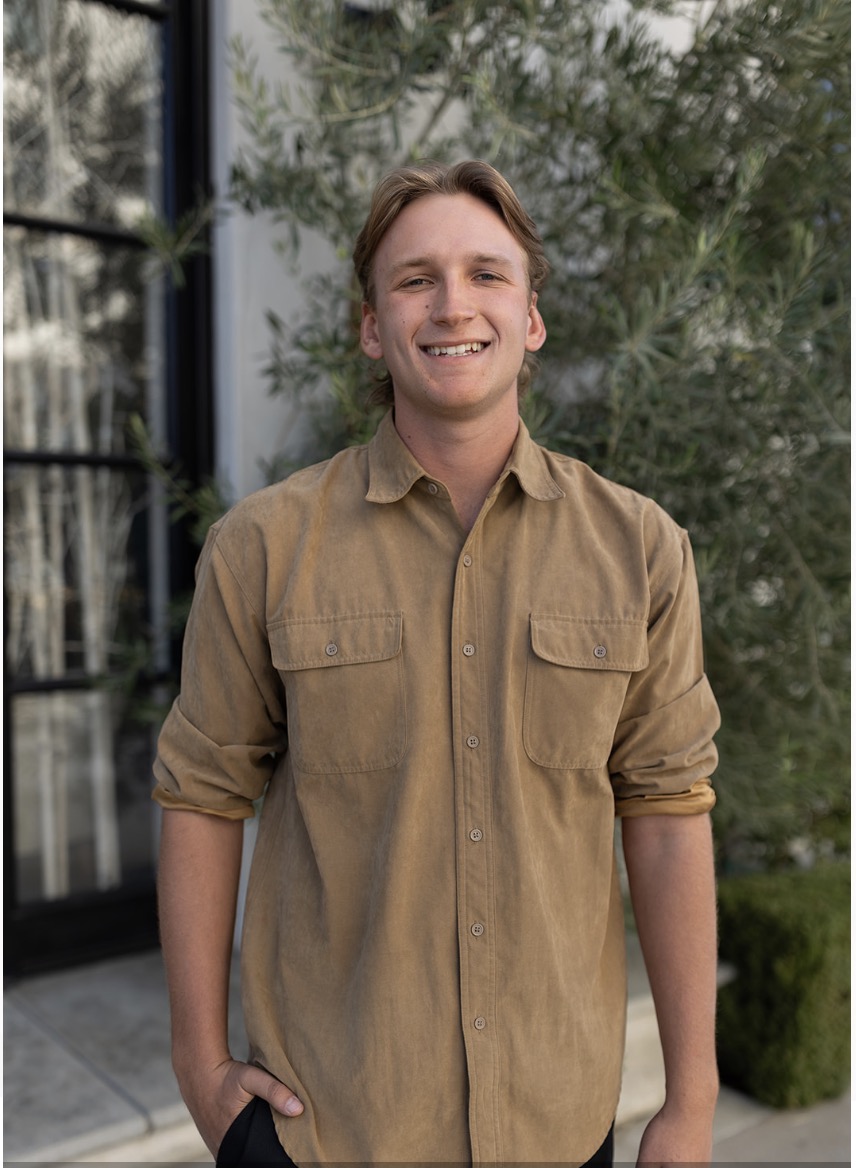
Buying or selling a home is one of life's biggest moves. Having the right real estate agent makes all the difference. As a local market expert serving Tehachapi, Bakersfield, and Antelope Valley, I sp....
Safety is one of the top concerns for anyone looking to buy a home, and Laurelglen residents and prospective buyers often ask: is Laurelglen a safe place to live? Here's what you need to know about
Buying a home in Laurelglen is an exciting milestone, but many buyers are surprised by the closing costs they encounter at the end of the transaction. Understanding what closing costs are, how much
One of the most common questions homebuyers and renters ask in 2025 is: should I buy or rent in Laurelglen, California? The answer depends on your financial situation, lifestyle goals, and how long
If you're a homeowner in Laurelglen and thinking about your next move, you may be wondering: should I sell my home or rent it out? This is a major financial decision, and Carter Yeomans, a local
 Tehachapi Area Association of REALTORS;reg& All information deemed reliable but not guaranteed. All properties are subject to prior sale, change or withdrawal. Neither listing broker(s) or information provider(s) shall be responsible for any typographical errors, misinformation, misprints and shall be held totally harmless. Listing(s) information is provided for consumer's personal, non-commercial use and may not be used for any purpose other than to identify prospective properties consumers may
be interested in purchasing. The data relating to real estate for sale on this website comes in part from the Internet Data Exchange program of the Multiple Listing Service. Real estate listings held by brokerage firms other than Berkshire Hathaway HomeServices Associated Real Estate - Tehachapi may be marked with the Internet Data Exchange logo and detailed information about those properties will include the name of the listing broker(s) when required by the MLS. Copyright ©2026 All rights reserved.
Last Updated: September 21, 2026 6:25 PM UTC
Show More...
Tehachapi Area Association of REALTORS;reg& All information deemed reliable but not guaranteed. All properties are subject to prior sale, change or withdrawal. Neither listing broker(s) or information provider(s) shall be responsible for any typographical errors, misinformation, misprints and shall be held totally harmless. Listing(s) information is provided for consumer's personal, non-commercial use and may not be used for any purpose other than to identify prospective properties consumers may
be interested in purchasing. The data relating to real estate for sale on this website comes in part from the Internet Data Exchange program of the Multiple Listing Service. Real estate listings held by brokerage firms other than Berkshire Hathaway HomeServices Associated Real Estate - Tehachapi may be marked with the Internet Data Exchange logo and detailed information about those properties will include the name of the listing broker(s) when required by the MLS. Copyright ©2026 All rights reserved.
Last Updated: September 21, 2026 6:25 PM UTC
Show More...
