Safety is one of the top concerns for anyone looking to buy a home, and Laurelglen residents and prospective buyers often ask: is Laurelglen a safe place to live? Here's what you need to know about

Dated: January 26 2026
Views: 30
The Rich History of McFarland, California: From Agricultural Roots to Kern County Resilience
McFarland, California, stands as a testament to Kern County’s agricultural strength and community resilience. Known worldwide through the film "McFarland, USA," the real history of this city goes much deeper than cross-country running.
As your local real estate expert, Carter Yeomans takes pride in sharing the stories that shaped our communities. Here is the fascinating history of McFarland.
Early Beginnings and Native Presence
Long before European settlers arrived, the Yokuts people inhabited the Southern San Joaquin Valley. They lived along the watercourses, utilizing the rich natural resources of the area.
Yokuts life included:
• Seasonal migration
• Basket weaving
• Acorn processing
• Fishing in local sloughs
• Trade with coastal tribes
Their presence shaped the land and established early pathways that later became roads. While their physical structures are gone, their legacy remains in the soil and spirit of the region.
The Arrival of the Railroad and J.B. McFarland
The Southern Pacific Railroad arrived in the late 1800s, transforming the valley. In 1908, J.B. McFarland arrived from Ohio. He saw potential in the dusty landscape.
Founding milestones:
• 1908: J.B. McFarland purchases land
• 1909: The first townsite is platted
• 1910: The post office opens
• 1911: The first school is built
McFarland envisioned an agricultural oasis. He recruited settlers from the Midwest, promising fertile soil and opportunity. The city was officially named in his honor.
Agricultural Transformation
Water was the key to McFarland’s success. Early settlers relied on deep wells. Later, irrigation projects brought consistent water to the fields.
Early crops included:
• Alfalfa
• Cotton
• Potatoes
• Table grapes
• Citrus
The soil proved incredibly productive. McFarland quickly became a hub for packing and shipping produce. Warehouses and labor camps sprung up around the railroad tracks.
The Great Depression and the Dust Bowl
The 1930s brought challenges and change. The Dust Bowl sent thousands of "Okies" and "Arkies" to California. Many settled in McFarland, seeking farm work.
Impact of the migration:
• Population boom
• Cultural diversification
• Increased labor pool
• Growth of local churches
• Expansion of housing
The newcomers brought music, traditions, and a fierce work ethic. They survived the Depression through mutual support and hard work in the fields.
World War II and the Bracero Program
The 1940s shift saw a labor shortage as local men went to war. The Bracero Program brought thousands of Mexican laborers to McFarland.
Contribution of the Braceros:
• Sustained agricultural production
• Cultural integration
• Infrastructure development
• Foundation for future demographics
• Strengthened ties between U.S. and Mexico
Many Braceros eventually brought their families, enriching McFarland's cultural fabric. The city's identity began to shift toward the vibrant, diverse community we see today.
Incorporation and Growth
McFarland officially incorporated as a city on July 15, 1957. This gave the community more control over its future and local services.
Post-incorporation milestones:
• 1957: First city council elected
• 1960s: Expansion of city services
• 1970s: Growth of residential areas
• 1980s: Modernization of schools
• 1990s: Commercial development along Highway 99
Incorporation allowed for better planning. Streets were paved, parks were built, and the police department was established.
The Cross-Country Legacy: McFarland, USA
In the 1980s, coach Jim White started a cross-country program at McFarland High School. Against all odds, the team won multiple state championships.
The McFarland High School legacy:
• 9 State Championships
• 24 consecutive league titles
• Global recognition through film
• Symbol of community pride
• Inspiration for student-athletes everywhere
The 2015 Disney film brought international attention to McFarland. It highlighted the city’s grit, family values, and resilience.
Demographic Evolution
McFarland has evolved into a predominantly Hispanic community. This shift brought new businesses, festivals, and cultural vibrancy.
Modern McFarland features:
• Authentic Mexican cuisine
• Strong family-oriented events
• Bilingual community life
• Growing local leadership
• Cultural celebrations like Cinco de Mayo
The city's demographics reflect the hard-working families who built its agricultural empire.
Agricultural Innovation in the 21st Century
Agriculture remains McFarland’s heartbeat. Modern technology has replaced many manual processes, but the land remains productive.
Current agricultural staples:
• Almonds and pistachios
• Advanced irrigation systems
• Mechanical harvesting
• Cold storage facilities
• Export-focused production
McFarland's farmers are world leaders in sustainable agriculture and water management.
Economic Diversification
While agriculture is central, McFarland is diversifying its economy. Commercial growth along Highway 99 provides new opportunities.
Growth sectors:
• Transportation and logistics
• Retail and dining
• Service industries
• Residential development
• Renewable energy
As Bakersfield expands north, McFarland becomes increasingly attractive for both businesses and residents.
Challenges and Resilience
Like many Central Valley towns, McFarland has faced economic and environmental challenges. Yet, the community always rebounds.
Resilience factors:
• Strong faith communities
• Multi-generational families
• Commitment to education
• Local business support
• Pride in "McFarland, USA" identity
The city’s history is one of overcoming obstacles through hard work and unity.
Preserving the Past, Building the Future
Modern McFarland balances its historical roots with future aspirations. Historic buildings stand alongside new developments.
Preservation efforts:
• Local history archives
• Recognition of agricultural pioneers
• Maintenance of historic parks
• Honoring veterans
• Celebrating cultural heritage
Community leaders work to ensure future generations understand the sacrifices that built the city.
Real Estate Trends in Historic McFarland
The real estate market in McFarland offers unique value. Historic homes in the city center blend with newer subdivisions on the outskirts.
Market characteristics:
• Affordable entry prices
• Diverse property types
• Strong rental demand
• High owner-occupancy
• Community-focused neighborhoods
Buyers appreciate McFarland’s history and small-town feel. It's an area where your neighbors know your name.
Frequently Asked Questions
Q: Is the real Jim White still in McFarland?
A: Jim White retired from coaching but remains a beloved figure in the community and often visits.
Q: Can I visit the locations from the movie?
A: Yes. Many filming locations and the actual high school are in McFarland. The "McFarland, USA" sign is a popular photo spot.
Q: What are the oldest buildings in McFarland?
A: Several downtown buildings and older homes date back to the early 1900s founding period.
Q: How did Highway 99 affect McFarland?
A: The highway brought commercial growth but also shifted some activity away from the historic downtown core.
Q: Is McFarland still a farm town?
A: Yes. It is surrounded by some of the most productive farmland in the world.
Q: What is the significance of the town logo?
A: It features the state of California and a runner, symbolizing the city's athletic legacy.
Q: Are there local museums?
A: While there isn't a dedicated city museum, the high school and city hall display much of the area's history.
Why Carter Yeomans Values McFarland History
Understanding the history of a community makes for a better real estate agent. Carter Yeomans doesn't just sell houses; he sells homes in communities with stories.
Carter’s commitment:
• Knowledge of local property history
• Respect for agricultural roots
• Appreciation for cultural diversity
• Support for local businesses
• Focus on community growth
He understands what makes McFarland special and shares that passion with every client.
Building Your Future in Historic McFarland
McFarland offers more than just a place to live. It offers a chance to be part of a resilient, historic community. Whether you’re drawn by the athletic legacy, the agricultural roots, or the affordable living, you’re joining a storied city.
Ready to find your place in McFarland? Work with someone who respects the past and sees the future.
Contact Carter Yeomans Today
Carter Yeomans
20406 Brian Way Suite 3A
(661) 825-6736
Call or text Carter to discuss homes in McFarland. He’ll help you find a property that fits your needs and your budget while honoring the city's rich heritage. Let’s make McFarland your home.
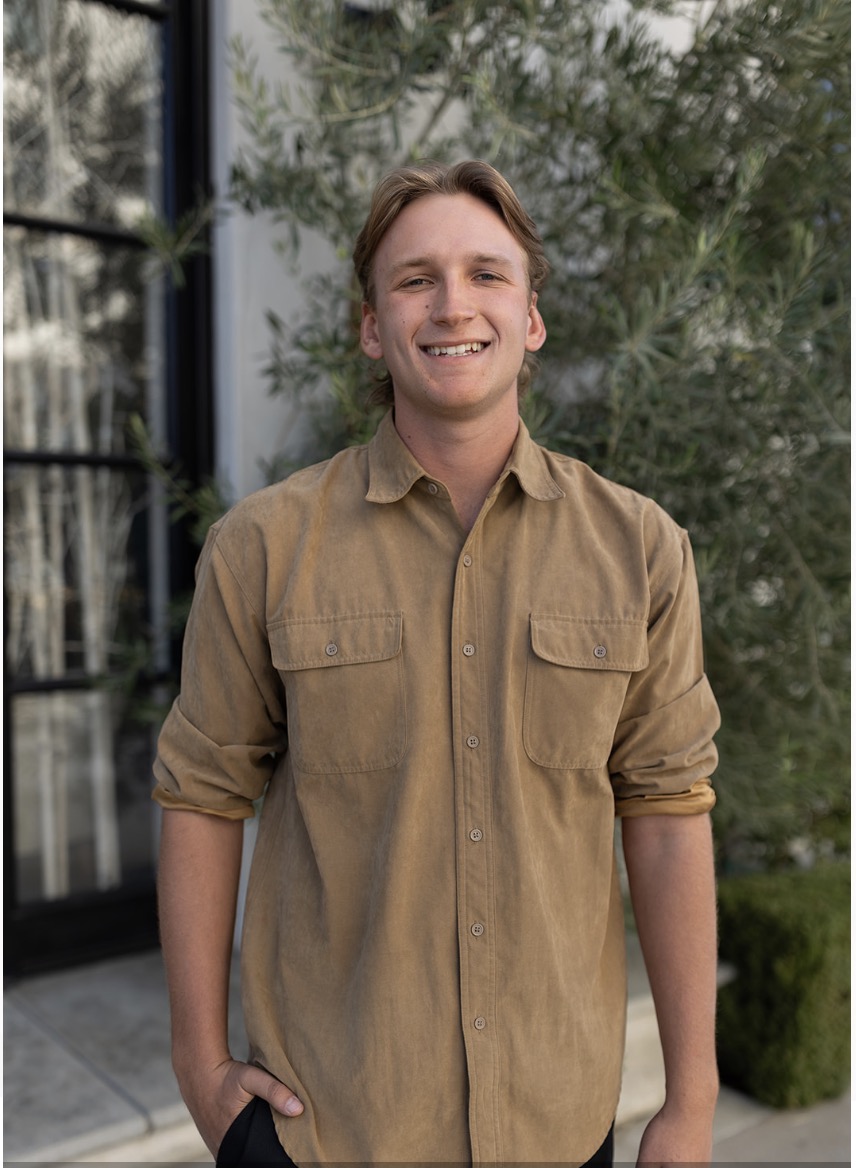
Buying or selling a home is one of life's biggest moves. Having the right real estate agent makes all the difference. As a local market expert serving Tehachapi, Bakersfield, and Antelope Valley, I sp....
Safety is one of the top concerns for anyone looking to buy a home, and Laurelglen residents and prospective buyers often ask: is Laurelglen a safe place to live? Here's what you need to know about
Buying a home in Laurelglen is an exciting milestone, but many buyers are surprised by the closing costs they encounter at the end of the transaction. Understanding what closing costs are, how much
One of the most common questions homebuyers and renters ask in 2025 is: should I buy or rent in Laurelglen, California? The answer depends on your financial situation, lifestyle goals, and how long
If you're a homeowner in Laurelglen and thinking about your next move, you may be wondering: should I sell my home or rent it out? This is a major financial decision, and Carter Yeomans, a local
 Tehachapi Area Association of REALTORS;reg& All information deemed reliable but not guaranteed. All properties are subject to prior sale, change or withdrawal. Neither listing broker(s) or information provider(s) shall be responsible for any typographical errors, misinformation, misprints and shall be held totally harmless. Listing(s) information is provided for consumer's personal, non-commercial use and may not be used for any purpose other than to identify prospective properties consumers may
be interested in purchasing. The data relating to real estate for sale on this website comes in part from the Internet Data Exchange program of the Multiple Listing Service. Real estate listings held by brokerage firms other than Berkshire Hathaway HomeServices Associated Real Estate - Tehachapi may be marked with the Internet Data Exchange logo and detailed information about those properties will include the name of the listing broker(s) when required by the MLS. Copyright ©2026 All rights reserved.
Last Updated: September 21, 2026 6:25 PM UTC
Show More...
Tehachapi Area Association of REALTORS;reg& All information deemed reliable but not guaranteed. All properties are subject to prior sale, change or withdrawal. Neither listing broker(s) or information provider(s) shall be responsible for any typographical errors, misinformation, misprints and shall be held totally harmless. Listing(s) information is provided for consumer's personal, non-commercial use and may not be used for any purpose other than to identify prospective properties consumers may
be interested in purchasing. The data relating to real estate for sale on this website comes in part from the Internet Data Exchange program of the Multiple Listing Service. Real estate listings held by brokerage firms other than Berkshire Hathaway HomeServices Associated Real Estate - Tehachapi may be marked with the Internet Data Exchange logo and detailed information about those properties will include the name of the listing broker(s) when required by the MLS. Copyright ©2026 All rights reserved.
Last Updated: September 21, 2026 6:25 PM UTC
Show More...
