Safety is one of the top concerns for anyone looking to buy a home, and Laurelglen residents and prospective buyers often ask: is Laurelglen a safe place to live? Here's what you need to know about

Dated: March 11 2026
Views: 45
Central Bakersfield History: The Heart of Kern County's Urban Story
Central Bakersfield is more than a geographic designation. It is the historic core of the largest city in Kern County. Understanding its history helps buyers, investors, and residents appreciate what makes this area so compelling today.
Carter Yeomans, Kern County's leading real estate expert, believes that knowing a neighborhood's past reveals its future potential. This guide explores the deep history of Central Bakersfield and what it means for the real estate market today.
The Origins of Bakersfield
Bakersfield was founded in 1863 by Thomas Baker, a colonel from Ohio who established a watering station for travelers crossing the San Joaquin Valley. Baker laid out roads and planted grain fields, creating an early settlement that would grow into California's ninth-largest city.
The city was officially incorporated in 1898. From its earliest days, the area that would become Central Bakersfield served as the hub of commerce, government, and culture for the entire region.
The city's location in the southern end of the San Joaquin Valley made it a natural junction point. Travelers heading to Los Angeles or San Francisco passed through Bakersfield. Railroads soon followed.
The Railroad Era and Early Growth
The arrival of the Southern Pacific Railroad in 1874 transformed Bakersfield from a frontier outpost into a genuine city. The railroad brought commerce, workers, and investment.
Central Bakersfield developed around the original downtown corridor. Hotels, banks, saloons, and retail establishments lined what would become Chester Avenue and 19th Street. These remain core streets in Central Bakersfield today.
The railroad era established patterns that still define the neighborhood. The street grid, the commercial corridors, and the density of development all trace back to this period.
The Oil Boom: Kern County Changes Forever
The discovery of oil in Kern County in the 1890s created an economic explosion. Central Bakersfield sat at the center of this transformation.
By 1900, Kern County was producing more oil than any other county in California. Oil companies established headquarters in downtown Bakersfield. Workers and executives flooded the area. Real estate values rose rapidly.
The wealth generated by oil built many of the historic buildings that still stand in Central Bakersfield today. The Fox Theater, the Padre Hotel, and numerous early 20th-century commercial buildings all trace their origins to the oil era.
This era also established Bakersfield as a city with genuine economic diversity. Beyond agriculture and ranching, oil gave Kern County an industrial backbone.
The Great Depression and Migration Era
The 1930s brought Kern County and Bakersfield national attention for a difficult reason. The Dust Bowl migration brought hundreds of thousands of displaced farmers from Oklahoma, Texas, and Arkansas to California's Central Valley.
Many settled in and around Bakersfield. This wave of migration shaped the culture, music, and demographics of the city permanently. The Okie migration gave Bakersfield its distinctive working-class identity.
The music scene that emerged from this era would produce the Bakersfield Sound, a style of country music pioneered by Buck Owens and Merle Haggard. Both artists are deeply connected to the Central Bakersfield area.
Post-War Growth and the Modern Era
After World War II, Bakersfield experienced explosive growth. Veterans returned with GI Bill housing benefits. Suburbs expanded outward from the Central core. The population grew from around 35,000 in 1940 to over 100,000 by the 1960s.
Central Bakersfield saw the construction of government buildings, civic infrastructure, and commercial developments during this era. The Kern County Courthouse, various federal buildings, and major retail corridors all took shape.
The freeway system changed the geography of the city. Highway 99 and the introduction of Freeway 58 shifted traffic patterns. Central Bakersfield remained important but new suburban growth areas began competing with the historic core.
Central Bakersfield Today
Today, Central Bakersfield encompasses the downtown business district, historic neighborhoods, civic institutions, and a mix of commercial and residential uses.
Key features of Central Bakersfield today include:
- The Bakersfield Convention Center
- Mechanics Bank Arena (formerly Rabobank Arena)
- Kern Medical Center
- California State University Bakersfield nearby
- Mill Creek Linear Park, a major urban greenway
- Historic Downtown with restored commercial buildings
- The Bakersfield Museum of Art
- The Kern County Museum
The area has seen significant investment in revitalization over the past decade. New restaurants, breweries, and creative businesses have opened in renovated historic buildings. The downtown housing market has attracted young professionals seeking walkable, urban living.
Central Bakersfield Real Estate Market
The real estate market in Central Bakersfield is diverse and dynamic. It includes:
- Historic single-family homes from the early and mid-20th century
- Multi-family residential buildings
- Commercial properties in the downtown core
- Mixed-use developments near Mill Creek
- Condominiums and lofts in converted historic buildings
Prices in Central Bakersfield tend to be lower than newer suburban Bakersfield neighborhoods. However, the area's revitalization trajectory suggests appreciation potential for buyers who purchase in the right locations.
Investors have been active in Central Bakersfield, renovating historic homes and commercial properties. The area rewards buyers who understand its history and development patterns.
Why History Matters for Real Estate
Understanding Central Bakersfield's history informs smarter real estate decisions.
Neighborhoods with deep roots often have:
- Established infrastructure and utilities
- Walkable street grids
- Proximity to civic and commercial amenities
- Cultural identity that attracts long-term residents
- Preservation protections that maintain character
Central Bakersfield has all of these characteristics. For buyers who value authenticity and urban living over suburban sameness, it offers a compelling alternative.
Frequently Asked Questions About Central Bakersfield History
When was Bakersfield founded?
Bakersfield was founded in 1863 by Thomas Baker and officially incorporated as a city in 1898.
Why is Central Bakersfield historically significant?
Central Bakersfield was the original commercial and civic heart of Kern County. It contains important historic buildings, cultural institutions, and infrastructure dating to the 19th and early 20th centuries.
What caused Bakersfield's early growth?
The Southern Pacific Railroad arrival in 1874 and the oil discoveries of the 1890s were the two biggest drivers of early Bakersfield growth.
What is the Bakersfield Sound?
The Bakersfield Sound is a style of country music developed in the 1950s and 1960s by artists like Buck Owens and Merle Haggard. It emerged from the working-class culture of Kern County and became nationally influential.
Is Central Bakersfield safe?
Central Bakersfield has both safer and higher-risk areas. Working with an experienced local agent to identify specific safe neighborhoods is essential.
Is Central Bakersfield a good place to invest in real estate?
Central Bakersfield has ongoing revitalization investment and historic character that can support appreciation. Careful neighborhood selection is important.
Explore Central Bakersfield Real Estate with Carter Yeomans
Central Bakersfield has a rich story. It is a community that has survived booms and busts, migrations and transformations. That resilience is part of what makes it valuable today.
Carter Yeomans brings deep knowledge of the entire Kern County market, including Central Bakersfield, to every client relationship. Whether you are buying a historic home, investing in commercial property, or selling in the area, Carter provides the expertise you need.
Kern County real estate is Carter Yeomans' specialty. Let his knowledge work for you.
Carter Yeomans
Berkshire Hathaway HomeServices Associated Real Estate
20406 Brian Way Suite 3A
Tehachapi, CA 93561
Phone: (661) 825-6736
Contact Carter today to explore real estate opportunities in Central Bakersfield and throughout Kern County. Expert guidance. Honest advice. Results you can count on.
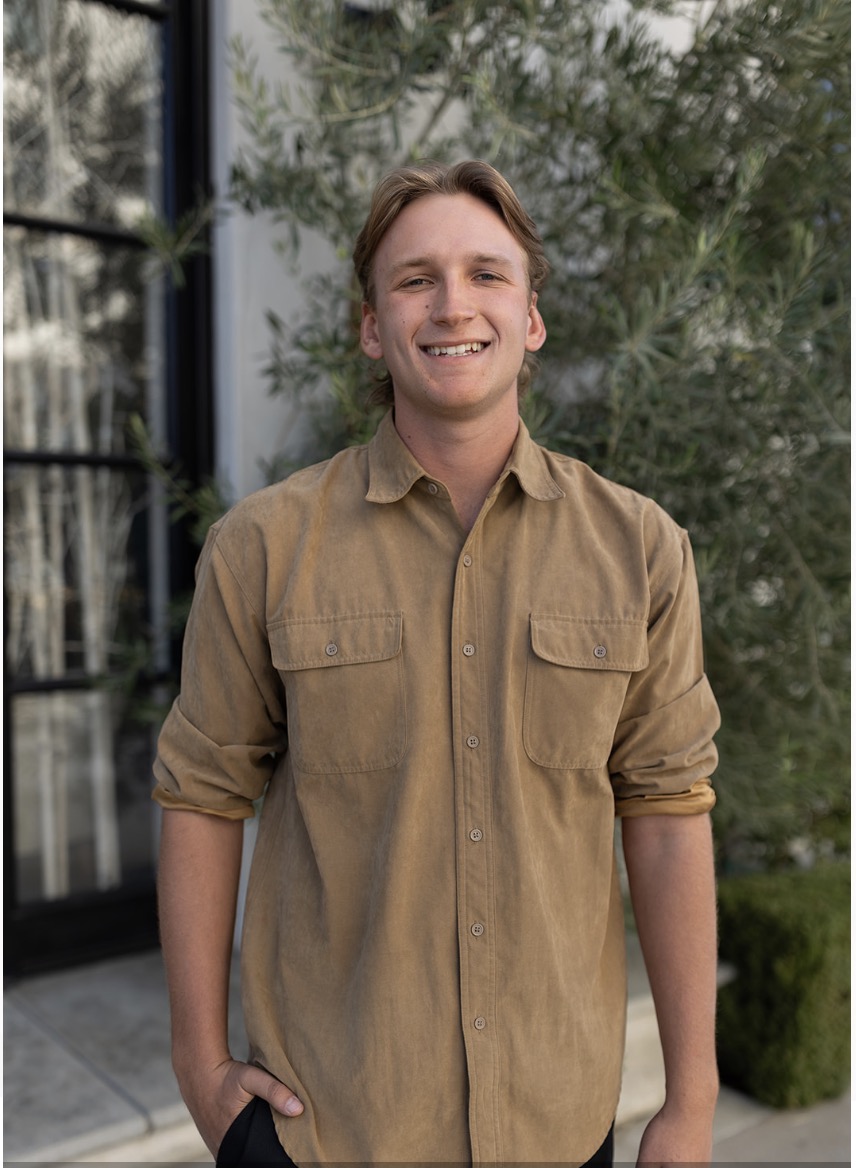
Buying or selling a home is one of life's biggest moves. Having the right real estate agent makes all the difference. As a local market expert serving Tehachapi, Bakersfield, and Antelope Valley, I sp....
Safety is one of the top concerns for anyone looking to buy a home, and Laurelglen residents and prospective buyers often ask: is Laurelglen a safe place to live? Here's what you need to know about
Buying a home in Laurelglen is an exciting milestone, but many buyers are surprised by the closing costs they encounter at the end of the transaction. Understanding what closing costs are, how much
One of the most common questions homebuyers and renters ask in 2025 is: should I buy or rent in Laurelglen, California? The answer depends on your financial situation, lifestyle goals, and how long
If you're a homeowner in Laurelglen and thinking about your next move, you may be wondering: should I sell my home or rent it out? This is a major financial decision, and Carter Yeomans, a local
 Tehachapi Area Association of REALTORS;reg& All information deemed reliable but not guaranteed. All properties are subject to prior sale, change or withdrawal. Neither listing broker(s) or information provider(s) shall be responsible for any typographical errors, misinformation, misprints and shall be held totally harmless. Listing(s) information is provided for consumer's personal, non-commercial use and may not be used for any purpose other than to identify prospective properties consumers may
be interested in purchasing. The data relating to real estate for sale on this website comes in part from the Internet Data Exchange program of the Multiple Listing Service. Real estate listings held by brokerage firms other than Berkshire Hathaway HomeServices Associated Real Estate - Tehachapi may be marked with the Internet Data Exchange logo and detailed information about those properties will include the name of the listing broker(s) when required by the MLS. Copyright ©2026 All rights reserved.
Last Updated: September 21, 2026 6:25 PM UTC
Show More...
Tehachapi Area Association of REALTORS;reg& All information deemed reliable but not guaranteed. All properties are subject to prior sale, change or withdrawal. Neither listing broker(s) or information provider(s) shall be responsible for any typographical errors, misinformation, misprints and shall be held totally harmless. Listing(s) information is provided for consumer's personal, non-commercial use and may not be used for any purpose other than to identify prospective properties consumers may
be interested in purchasing. The data relating to real estate for sale on this website comes in part from the Internet Data Exchange program of the Multiple Listing Service. Real estate listings held by brokerage firms other than Berkshire Hathaway HomeServices Associated Real Estate - Tehachapi may be marked with the Internet Data Exchange logo and detailed information about those properties will include the name of the listing broker(s) when required by the MLS. Copyright ©2026 All rights reserved.
Last Updated: September 21, 2026 6:25 PM UTC
Show More...
