Safety is one of the top concerns for anyone looking to buy a home, and Laurelglen residents and prospective buyers often ask: is Laurelglen a safe place to live? Here's what you need to know about

Dated: August 26 2025
Views: 771
Nestled in the picturesque Tehachapi Mountains of Kern County, California, the city of Tehachapi has long been synonymous with bountiful orchards and crisp, flavorful apples. The Tehachapi Apple Festival, a beloved annual event, serves as a vibrant celebration of this agricultural heritage. What began as a modest tribute to the region's fruit-growing past has evolved into a community staple, drawing thousands of visitors each October for a weekend of family-friendly fun, local vendors, and apple-themed festivities. In this blog post, we'll delve into the detailed history of the festival, tracing its roots back to Tehachapi's orchard legacy and exploring how it has grown over the years.

To understand the Tehachapi Apple Festival, one must first appreciate the deep agricultural history that inspired it. Apple growing in Tehachapi dates back to the mid-19th century, when early homesteaders began planting fruit trees in their gardens as early as the 1860s. The area's high elevation and cool climate proved ideal for producing slow-ripening, high-quality fruit, leading to the establishment of the first commercial orchards in the 1870s and 1880s. Pioneers like Joseph Kiser planted apples in upper Brite Valley during the 1870s, supplying fresh produce to the Southern Pacific Railroad for use in Harvey House restaurants. In 1880, Moses Hale established another notable apple orchard, some remnants of which still exist today, though now untended and enjoyed mostly by local wildlife.
The orchard boom expanded in the 1890s with the introduction of cherry trees—J.B. Phillips planted 600 of them in what is now Golden Hills—and other stone fruits like peaches, apricots, and plums soon followed. By 1910, Burt Denison had planted a massive 40-acre Bartlett pear orchard, interspersing it with blueberries and currants, which provided employment for locals like Edwin "Brick" Jones during harvest seasons. The 1920s marked the golden era of Tehachapi's orchards, with approximately 5,000 acres dedicated to apples, pears, and cherries. Roads like Cherry Lane earned their names from the surrounding groves, and fruit packing sheds lined Tehachapi Boulevard, shipping apples worldwide and drawing families for seasonal picking.
However, challenges loomed. The Great Depression in the 1930s, combined with absentee ownership, inadequate water supplies, and devastating frosts, led to a decline in orchard cultivation. Innovative frost-protection methods, such as F.H. Rawley's use of 8,000 smudge pots in 1925 to safeguard his 90-acre pear orchard, were common until the 1970s, when rising costs and oil embargoes made them unsustainable. Despite the downturn, a few family-run operations persist, like the Pulford Appletree Orchard, which has been operating since the early 1990s and continues to supply fresh apples for local events. This enduring legacy of "great fruit" forms the cultural backbone of the Apple Festival, reminding residents and visitors alike of Tehachapi's agricultural glory days.
Tehachapi Apple Festival is back for ONE incredible day only! 🎉 This was quite literally one of the hardest decisions we had to make. But with unexpected costs" jsname="JuXqh" data-ilt="1756168388863" style="max-width: 1440px; width: 313px; height: 365px; margin: 0px;" />
The Tehachapi Apple Festival officially began in 2013, the brainchild of local entrepreneur David Brust. Brust founded Tehachapi Festivals, a company dedicated to organizing events that support local charities while highlighting the area's unique charm. The idea sparked during a visit to the historic Apple Shed—a former packing facility from the 1940s—and while observing the remaining small apple orchards scattered around town. Brust envisioned an event that would evoke Tehachapi's apple-centric past, creating a "homey" atmosphere distinct from larger festivals like the Tehachapi Mountain Festival. As he reflected in a 2025 statement, "12 years ago I wanted to create an event for Tehachapi celebrating the beauty and agriculture of the area."
The inaugural festival in 2013 was a modest affair, focusing on community engagement and charitable causes. It quickly gained traction as Kern County's oldest apple festival, emphasizing themes of harvest bounty without actual on-site apple picking. Instead, it featured donated apples from local farms like Murray Family Farms and Pulford Family Apple Farm. Proceeds from vendor booths, beverage sales, and activities benefited organizations such as the Make A Wish Foundation, Lions Clubs International, and Tehachapi Boy Scout Troop 3.
By its fifth year in 2017, the festival had blossomed into a two-day extravaganza held on Green Street, attracting over 71 vendors and featuring a wide array of activities. Highlights included a beer and wine garden, petting zoo, face painting, puppet shows, book readings by Kiwanis' Key Club, a sail plane photo op, apple bobbing, an apple pie eating contest, and a car show with electric vehicle demonstrations. The Kid Zone offered bounce houses, while the Lions Club's "apple drop"—where numbered rubber balls are dropped from a crane onto a bullseye—became a signature fundraiser. Live music at Centennial Plaza and carnival games by the Boy Scouts added to the wholesome family vibe.
The sixth annual event in 2018 drew thousands, expanding to include a vendor fair, kids' corner, and even more entertainment. By 2019, the festival had relocated to Railroad Park for some years, maintaining free entry and a focus on small-town charm. Community involvement was key, with thanks extended to sponsors like Adventist Health Tehachapi, Waste Management, and local media outlets. Volunteers from groups like the Tehachapi Symphony Orchestra and Tehachapi Wrestling Club played crucial roles in operations.
The festival weathered challenges, including potential disruptions from the COVID-19 pandemic in the early 2020s, but rebounded strongly. In 2022, it was part of a lineup of events following the Tehachapi Mountain Festival, showcasing its resilience. By 2024, the event had expanded to a three-day format from October 11-13, incorporating baked goods, arts and crafts, games, food trucks, live music, line dancing, and the Johnny Appleseed Project—a tree-planting initiative to preserve historical varieties.
In early 2024, the festival underwent a significant management transition. As Linda Carhart—recognized as Tehachapi's Citizen of the Year in 2019 for her community contributions—retired, oversight shifted to the Greater Tehachapi Chamber of Commerce to ensure its continuation as a tradition. This change reflected the event's deep roots in the community, with family ties like those of James Carhart (involved in early operations) underscoring its personal significance.
By April 2025, the festival secured a new sponsor, signaling its ongoing vitality despite rumors of cancellation in some social media posts. Under new leadership, it continues to honor Tehachapi's apple history, with events like the Apple Festival Rodeo adding fresh excitement. As of August 2025, the festival remains a testament to the region's enduring spirit, blending nostalgia with modern fun to keep the apple tradition alive for generations to come.
Whether you're a local or a visitor, the Tehachapi Apple Festival offers a slice of history that's as sweet as the fruit it celebrates. If you haven't attended yet, mark your calendar for the next October—it's a core part of what makes Tehachapi special!
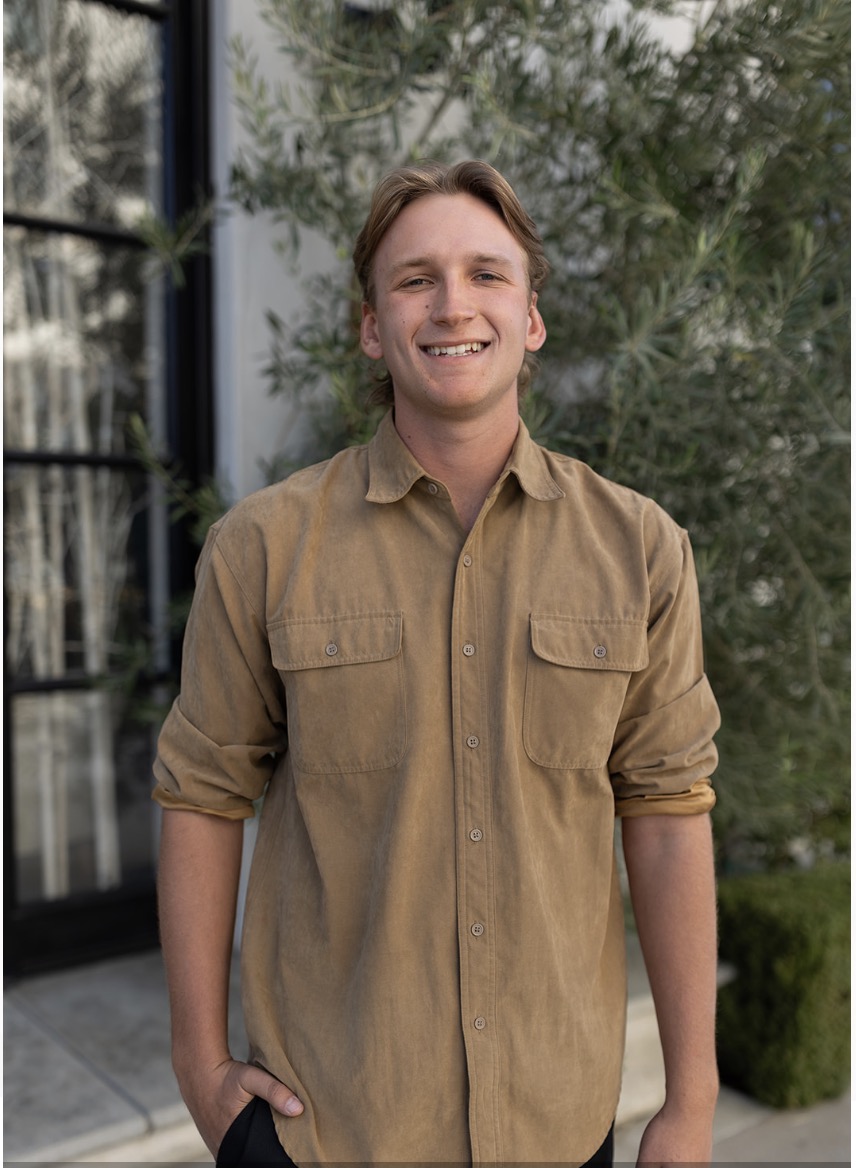
Buying or selling a home is one of life's biggest moves. Having the right real estate agent makes all the difference. As a local market expert serving Tehachapi, Bakersfield, and Antelope Valley, I sp....
Safety is one of the top concerns for anyone looking to buy a home, and Laurelglen residents and prospective buyers often ask: is Laurelglen a safe place to live? Here's what you need to know about
Buying a home in Laurelglen is an exciting milestone, but many buyers are surprised by the closing costs they encounter at the end of the transaction. Understanding what closing costs are, how much
One of the most common questions homebuyers and renters ask in 2025 is: should I buy or rent in Laurelglen, California? The answer depends on your financial situation, lifestyle goals, and how long
If you're a homeowner in Laurelglen and thinking about your next move, you may be wondering: should I sell my home or rent it out? This is a major financial decision, and Carter Yeomans, a local
 Tehachapi Area Association of REALTORS;reg& All information deemed reliable but not guaranteed. All properties are subject to prior sale, change or withdrawal. Neither listing broker(s) or information provider(s) shall be responsible for any typographical errors, misinformation, misprints and shall be held totally harmless. Listing(s) information is provided for consumer's personal, non-commercial use and may not be used for any purpose other than to identify prospective properties consumers may
be interested in purchasing. The data relating to real estate for sale on this website comes in part from the Internet Data Exchange program of the Multiple Listing Service. Real estate listings held by brokerage firms other than Berkshire Hathaway HomeServices Associated Real Estate - Tehachapi may be marked with the Internet Data Exchange logo and detailed information about those properties will include the name of the listing broker(s) when required by the MLS. Copyright ©2026 All rights reserved.
Last Updated: September 21, 2026 6:25 PM UTC
Show More...
Tehachapi Area Association of REALTORS;reg& All information deemed reliable but not guaranteed. All properties are subject to prior sale, change or withdrawal. Neither listing broker(s) or information provider(s) shall be responsible for any typographical errors, misinformation, misprints and shall be held totally harmless. Listing(s) information is provided for consumer's personal, non-commercial use and may not be used for any purpose other than to identify prospective properties consumers may
be interested in purchasing. The data relating to real estate for sale on this website comes in part from the Internet Data Exchange program of the Multiple Listing Service. Real estate listings held by brokerage firms other than Berkshire Hathaway HomeServices Associated Real Estate - Tehachapi may be marked with the Internet Data Exchange logo and detailed information about those properties will include the name of the listing broker(s) when required by the MLS. Copyright ©2026 All rights reserved.
Last Updated: September 21, 2026 6:25 PM UTC
Show More...
